
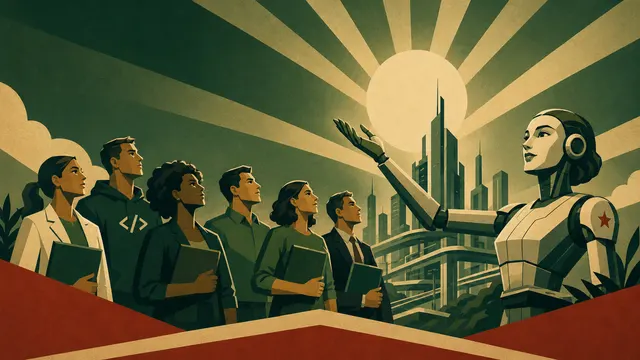
Building AI literacy starts with hands-on experimentation. Free APIs let you test real workflows before you spend.
Introduction
A lot of people still imagine “working in AI” as one narrow thing: becoming a model researcher, publishing papers, and training giant systems. But if you read the public careers pages, hiring guides, and company writing from major AI firms, a different picture emerges. Working in AI in 2026 looks broader, more cross-functional, more product-oriented, and more operational than many people think.
For this article, I reviewed official public material from OpenAI, Anthropic, Google DeepMind, Meta AI, Microsoft, NVIDIA, Mistral AI, Cohere, Hugging Face, and xAI. Across those companies, the same patterns appear again and again.
1. Working in AI is much broader than “being a researcher”
One of the clearest takeaways is that AI companies are not hiring only for model research. OpenAI’s careers page currently includes roles such as datacenter architect, abuse investigator, and multiple sales roles, alongside research and engineering positions. OpenAI’s own early-career page also says it offers full-time roles in research, applied engineering, and product for people with 0–3 years of experience.
Google DeepMind’s careers page is similarly explicit: it lists roles such as research engineer, software engineer, product manager, program manager, technical program manager, research scientist, operations, and responsibility. DeepMind also describes itself more broadly as a team of “scientists, engineers, ethicists and more.”
xAI’s open roles page reinforces the same point from a different angle. Its listed departments include engineering, design, infrastructure, model, product, human data, legal and compliance, operations, people, safety, security, GTM, marketing, sales, data center, and more.
The implication is important: working in AI is no longer limited to frontier-model research. You do not need to be the person designing the next model breakthrough to work in AI. You might be the person shaping developer experience, building evaluation systems, improving inference infrastructure, working on policy, designing safety processes, or helping customers deploy AI inside real organizations.
2. The best AI companies frame the work as mission-driven
Another pattern is how often leading AI companies describe their work in terms of mission and responsibility, not just technical excitement.
OpenAI says working there means being part of a team that is passionate about benefiting people and society, and says it builds AI to elevate humanity. Anthropic says it is made up of researchers, engineers, and builders trying to make sure powerful AI goes well for everyone. Google DeepMind says its mission is to build AI responsibly to benefit humanity.
xAI describes its purpose as building AI that advances humanity, while Cohere says it is focused on enterprise AI that enhances human judgment and helps teams turn everyday effort into impact. Hugging Face says it is on a mission to “democratize good machine learning, one commit at a time.”
3. Working in AI sits at the intersection of research, product, and infrastructure
If there is one theme that cuts across almost every company, it is this: the frontier is no longer just the model. It is the whole stack around the model.
Google DeepMind’s role descriptions make that explicit. Its careers page describes research engineers as a bridge between theory and implementation, software engineers as the people who turn research into scalable systems, and product managers as the people who translate complex AI capabilities into real products and platforms.
OpenAI’s job board points in the same direction through different roles: infrastructure, datacenter design, intelligence and investigations, sales, and applied engineering all appear alongside traditional research work.
Mistral writes openly about building tools for applied AI engineers and how designing for agents changed the product. Mistral Vibe is framed in terms of helping teams ship faster while people focus more on architecture and business logic.
Cohere and its company pages also reinforce the applied view: the company is focused on helping enterprises adopt AI through secure, scalable solutions and real-world business use cases, not just model demos.
4. AI companies increasingly expect AI-native work habits
One of the most revealing signals comes from Anthropic’s candidate AI guidance. Anthropic says it uses Claude to create job descriptions, develop interview questions, draft and refine candidate communications, analyze hiring metrics, transcribe interviews, and identify candidates to source. At the same time, it says it does not let Claude make hiring decisions.
Anthropic also tells candidates to use Claude thoughtfully, be themselves, and be transparent. Its wording is unusually clear: use AI to refine your ideas, not replace them.
Microsoft’s public writing about careers in the age of AI points in a similar direction. In Open to Work, Microsoft and LinkedIn frame the future of work as something being assembled “task by task” and emphasize that technology should serve people, not the other way around.
5. Collaboration matters more than the lone-genius myth
Popular culture often treats AI as the domain of isolated geniuses. The company material points in another direction.
NVIDIA says “the project is the boss” and describes the company as an eclectic, passionate group that thrives on seamless collaboration and shared success. NVIDIA’s early-talent materials also emphasize meaningful work on real projects, broad exposure, and mentorship across the organization.
xAI says it prioritizes in-person work to support fast-paced, collaborative projects. Hugging Face literally describes itself as “the AI community building the future,” centered on collaboration around models, datasets, and applications.
6. Entry paths are wider than many people assume
Another encouraging pattern is that not every company assumes a straight-line PhD-to-research-lab path.
OpenAI’s emerging talent page explicitly mentions internships, research residency, and full-time early-career roles in research, applied engineering, and product. Meta offers both AI Residency and RAISE. NVIDIA runs a wide early-talent pipeline that includes interns, MBA candidates, PhDs, and new college graduates, and states that PhDs can make an impact not only in research but also in engineering, product, and other technical teams.
Hugging Face’s AI Research Residency was designed to help residents grow into impactful researchers through open, collaborative work. Anthropic has also run fellows programs tied to AI safety research.
7. The skills that stand out are not only technical
Across the material, the same signals keep coming up: motivation, adaptability, evidence of real work, collaboration, and the ability to think clearly in an AI-rich environment.
OpenAI’s interview guide tells candidates to be ready to discuss their work, academic experience, motivations, and goals, and highlights skills-based assessments such as pair coding, take-homes, and technical exercises.
Anthropic’s guidance says to use AI thoughtfully and transparently. NVIDIA’s career advice emphasizes adaptability and says diverse backgrounds can matter. xAI says it is driven by ambitious goals, fast execution, and urgency. Mistral says it is looking for AI explorers with an entrepreneurial spirit.
Frequently Asked Questions
No. The public careers pages of leading AI companies show a much broader market that includes infrastructure, product, design, security, operations, policy, sales, developer experience, and many other functions in addition to research.
Depending on the company, roles can include applied engineering, product management, technical program management, safety, security, data center work, policy, people operations, marketing, GTM, enterprise deployments, and customer-facing roles.
Yes. Anthropic says it uses Claude in hiring workflows such as drafting job descriptions, developing interview questions, transcribing interviews, and analyzing hiring metrics, while still keeping humans responsible for hiring decisions.
Technical fluency still matters, but so do judgment, adaptability, collaboration, clear communication, evidence of real work, and the ability to use AI tools thoughtfully without relying on them to replace your own thinking.